Sortowanie
Źródło opisu
Legimi
(30)
Katalog księgozbioru
(4)
Forma i typ
E-booki
(30)
Książki
(4)
Dostępność
dostępne
(4)
Placówka
Filia Siódemka
(4)
Autor
Keesey Douglas
(3)
Odell Colin
(3)
Carter David
(2)
Cox Alex
(2)
Ewa Ciwińska-Roszak
(2)
Martin Sean
(2)
Clarke James
(1)
Davies Steven Paul
(1)
Dormehl Luke
(1)
Gracey James
(1)
Hill Derek
(1)
Holm D K
(1)
Hughes Howard
(1)
Koven Mikel
(1)
Kroczyński Hieronim (1934- )
(1)
Kubiak Krzysztof (1967- )
(1)
Laughey Dan
(1)
Le Blanc Michelle
(1)
Lubimbi Thandi
(1)
Mills Brian
(1)
Moral Tony Lee
(1)
Nogalski Roman
(1)
Pastok Dorota (1964- )
(1)
Pyka Walter (1943- )
(1)
Richards Andy
(1)
Słomski Józef (1932- )
(1)
Słącz Grzegorz
(1)
Thorne Roland
(1)
Ventura Michael
(1)
Rok wydania
2020 - 2026
(3)
2010 - 2019
(31)
Kraj wydania
Polska
(34)
Język
polski
(34)
Temat
Marynarka wojenna
(2)
2. Dywizjon Okrętów Transportowo-Minowych
(1)
Architektura sakralna niemiecka
(1)
Gospodarka morska
(1)
Kościoły i kaplice
(1)
Okręty desantowe
(1)
Pastok, Dorota (1964- )
(1)
Tradycja
(1)
Temat: miejsce
Bałtyk
(1)
Kołobrzeg (woj. zachodniopomorskie)
(1)
Polska
(1)
Gatunek
Albumy
(1)
Malarstwo polskie
(1)
Poezja polska
(1)
Wydawnictwa popularne
(1)
34 wyniki Filtruj
Brak okładki
Książka
W koszyku
1 placówka posiada w zbiorach tę pozycję. Rozwiń informację, by zobaczyć szczegóły.
Filia Siódemka
Są egzemplarze dostępne do wypożyczenia: sygn. 355/359 (1 egz.)
Książka
W koszyku
1 placówka posiada w zbiorach tę pozycję. Rozwiń informację, by zobaczyć szczegóły.
Filia Siódemka
Są egzemplarze dostępne do wypożyczenia: sygn. 73/76 (1 egz.)
Brak okładki
Książka
W koszyku
1 placówka posiada w zbiorach tę pozycję. Rozwiń informację, by zobaczyć szczegóły.
Filia Siódemka
Są egzemplarze dostępne do wypożyczenia: sygn. 71/72 (1 egz.)
Książka
W koszyku
1 placówka posiada w zbiorach tę pozycję. Rozwiń informację, by zobaczyć szczegóły.
Filia Siódemka
Są egzemplarze dostępne do wypożyczenia: sygn. 355/359 (1 egz.)
E-book
W koszyku
Forma i typ
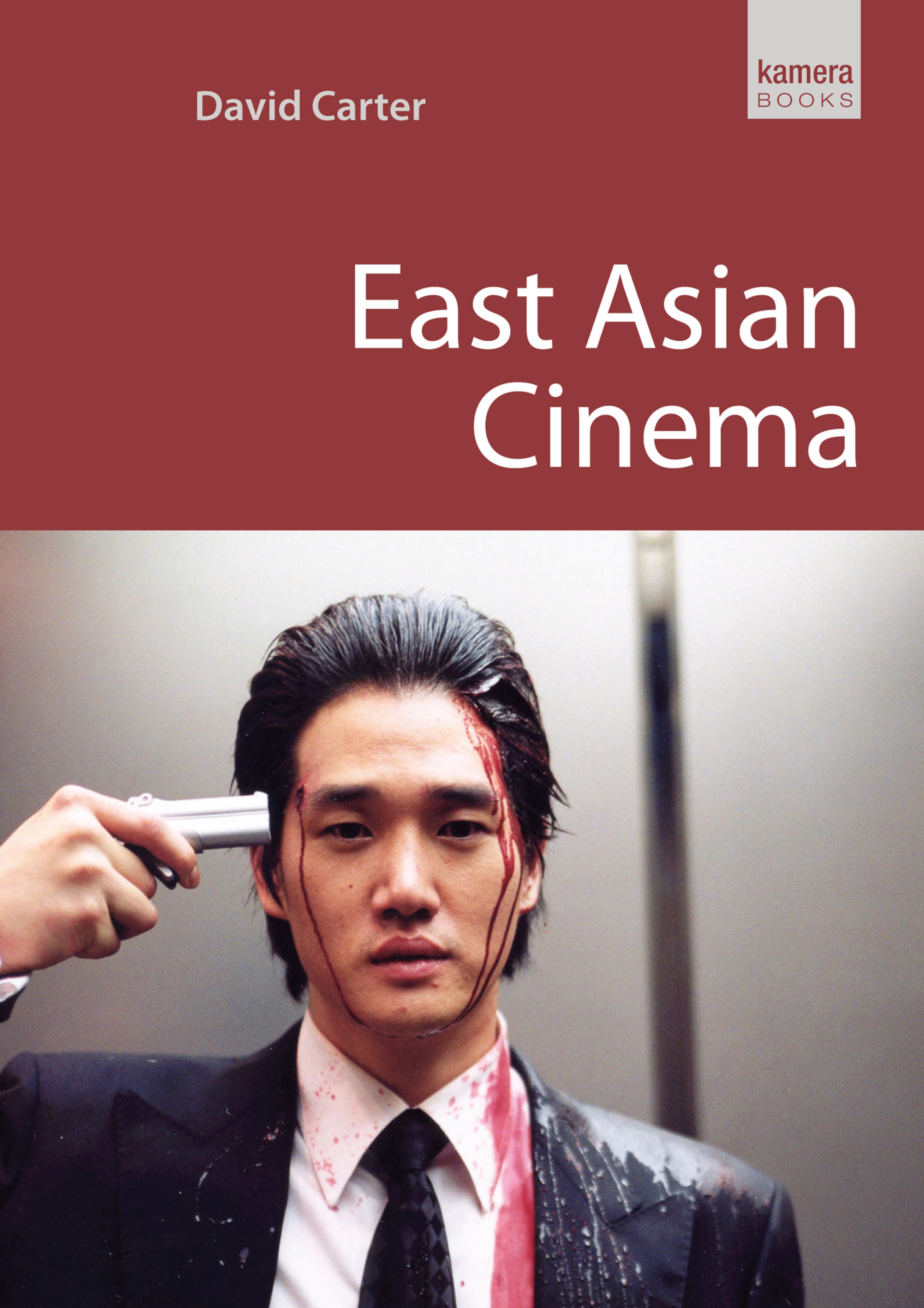
Film directors from East Asia frequently win top prizes at international film festivals, but in the West little is known about them nor about the cultures that produced them. It is not all martial arts, flying warriors, historical pageants and tea ceremonies. China, Hong Kong, Taiwan, Japan and North and South Korea went through periods of great political turmoil and rapid modernisation in the 20th century. The films of these countries reflect these changes and the conflicts between modern lifestyles and traditional values. In some cases it is capitalism versus communism, in others materialism versus spiritual concerns. This book provides an ideal reference work on all the major directors, with details of their films and checklists for the films of each country, useful for both ardent fan and serious student alike. It explores the common cultural heritage of the countries and their mutual influence. The films of China, Japan and Korea, for example, reflect their shared Buddhist and Confucian heritage. The films of China and North Korea are conditioned by Communist ideology. Early Korean cinema was dominated by the effects of Japanese colonial domination, and the Japanese cinema greatly influenced that of Taiwan.
Ta pozycja jest dostępna przez Internet. Rozwiń informację, by zobaczyć szczegóły.
Dostęp do treści elektronicznej wymaga posiadania kodu dostępu, który można odebrać w bibliotece.
E-book
W koszyku
The Western / David Carter. - [miejsce nieznane] : Kamera Books : Legimi, 2010.
Forma i typ
From the very beginnings of cinema in America the Western has been a central genre. The hazardous lives of the settlers, their conflict with Native Americans ('the Indians'), the lawless frontier towns, outlaws and cattle rustlers, all found their way into the new medium of film. Folk heroes and heroines, such as Jesse and Frank James, Wild Bill Hickok, Wyatt Earp, Calamity Jane and Annie Oakley, were all eagerly seized on by filmmakers. Writers, from the very popular to the very literary, from Zane Grey to Owen Wister and James Fennimore Cooper, were plundered for storylines. The Western became popular worldwide too because it offered escape, adventure, stunning landscapes and romance; also themes that concerned people everywhere including survival, law and order, defence of family, and dreams of a new and better world. David Carter's book, The Western, starts with an introduction to the real American West and its famous historical figures, and traces the development of the genre from popular literature, through the early silent films, the sound era, the Golden Age of classic Westerns, TV and 'spaghetti westerns', to the self-reflexive and revisionist Westerns of recent decades. This book provides a basic work of reference for all the major directors and noteworthy films of the genre. The great Hollywood directors are all here, such as John Ford, Howard Hawks, Raoul Walsh, Michael Curtiz, Sam Peckinpah and Henry Hathaway, and great stars including John Wayne, James Stewart, Gary Cooper, Barbara Stanwyck, Jane Russell and Clint Eastwood.
Ta pozycja jest dostępna przez Internet. Rozwiń informację, by zobaczyć szczegóły.
Dostęp do treści elektronicznej wymaga posiadania kodu dostępu, który można odebrać w bibliotece.
E-book
W koszyku
Movie Movements / James Clarke. - [miejsce nieznane] : Kamera Books : Legimi, 2011.
Forma i typ
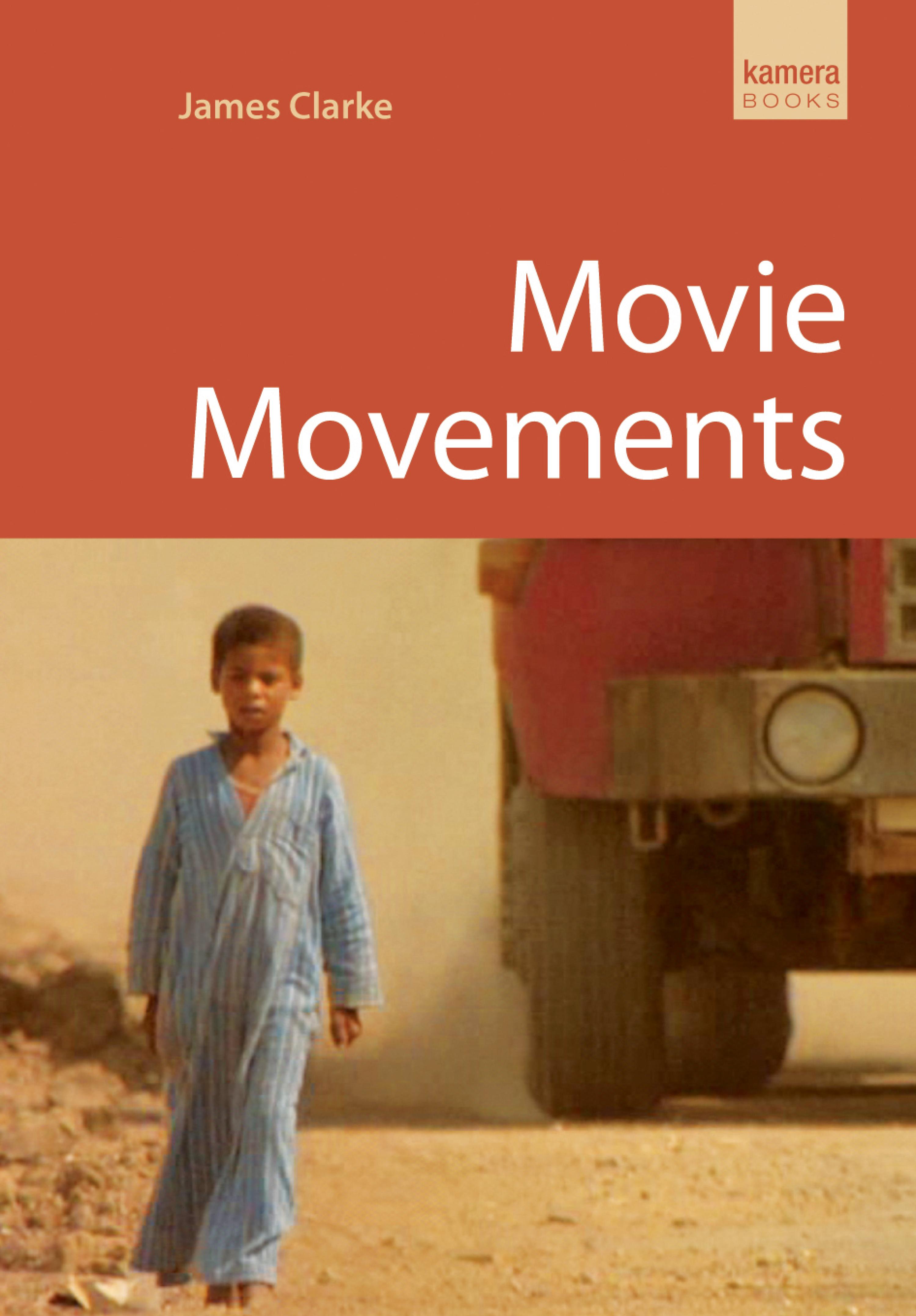
Movie Movements: Films That Changed the World of Cinema is a one-stop guide to the major movements that have shaped our sense of what cinema is and can be. It introduces the reader to definitions of the founding concepts in Film Studies such as authorship and genre, technological impacts and the rise of digital cinema, social influences and notions of the avant-garde, and cinema's emergence as a major art form that reflects and shapes the world. It explores, in concise and clear sections, how major works from the classic French realist La Regle de Jeu to the dazzling animation of Norman McLaren and the memorial documentary of Shoah, were conceived, developed and produced, and eventually received by the public, critics and film history. Offering a concise overview of a vast and compelling subject, it's a book for both the film enthusiast and the Film Studies student.
Ta pozycja jest dostępna przez Internet. Rozwiń informację, by zobaczyć szczegóły.
Dostęp do treści elektronicznej wymaga posiadania kodu dostępu, który można odebrać w bibliotece.
E-book
W koszyku
10,000 Ways to Die / Alex Cox. - [miejsce nieznane] : Kamera Books : Legimi, 2010.
Forma i typ
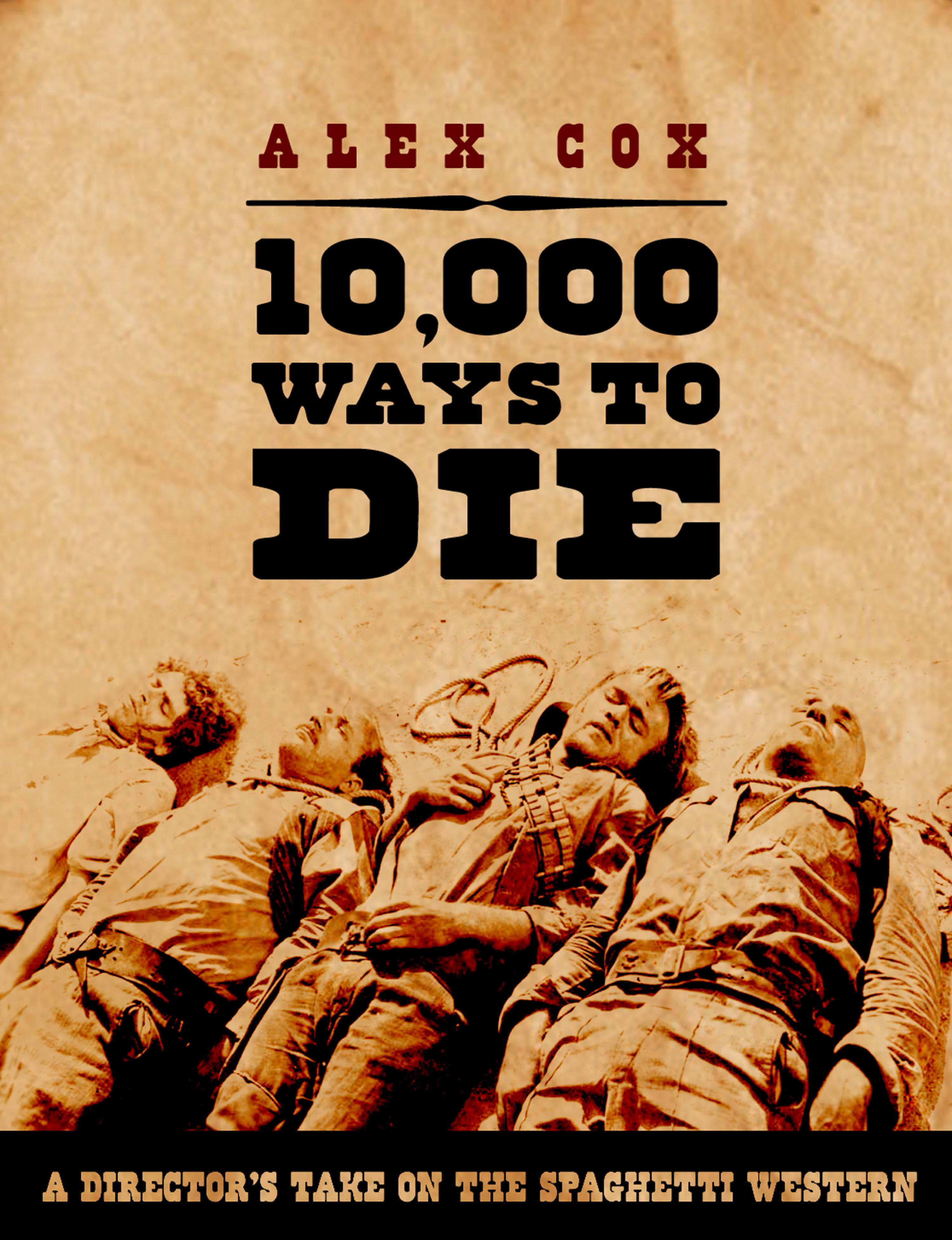
Forty years ago as a graduate student I wrote a book about Spaghetti Westerns, called 10,000 Ways to Die. It's an embarrassing tome: full of half-assed semiotics and other attenuated academic nonsense. Thirty years later I wrote an entirely new book with the same title, about the same subject, from a different perspective - that of a working film director. What interested me was what the filmmakers intended, how they did that shot, how the director felt when his film was recut by the distributor, and he was creatively and financially screwed. Now I have prepared a new edition of 10,000 Ways to Die. It reflects my changing thoughts about the Italian Western, which I still greatly admire. It includes corrections, additions, and new sections on films I changed my mind about, or hadn't seen - including Lina Wertmuller's BELLE STAR - the only Italian Western directed by a woman.
Ta pozycja jest dostępna przez Internet. Rozwiń informację, by zobaczyć szczegóły.
Dostęp do treści elektronicznej wymaga posiadania kodu dostępu, który można odebrać w bibliotece.
E-book
W koszyku
I Am (Not) A Number / Alex Cox. - [miejsce nieznane] : Kamera Books : Legimi, 2017.
Forma i typ
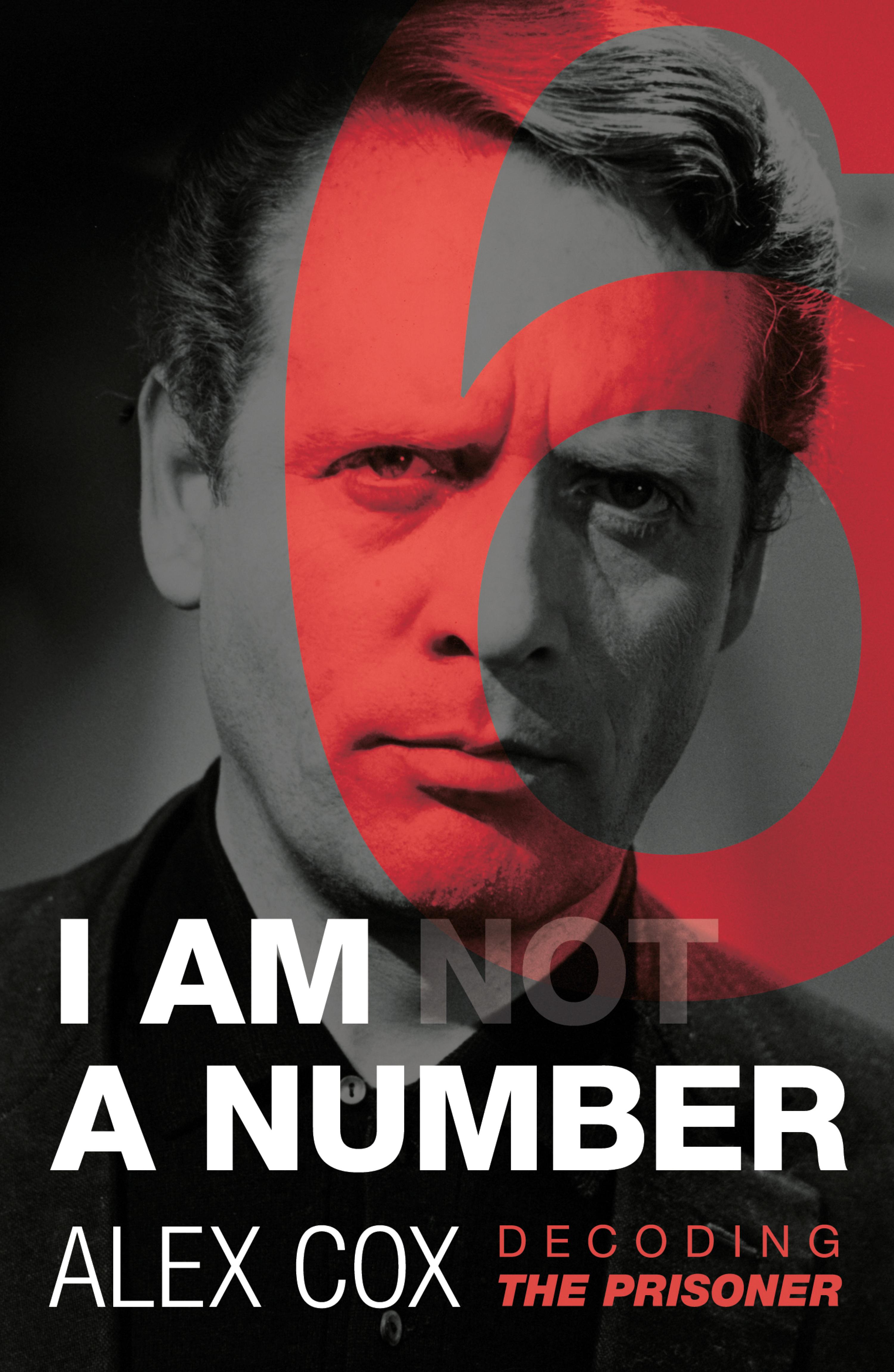
The enormously puzzling TV series THE PRISONER has developed a rapt cult following (author Alex Cox watched all the episodes on their first broadcast, at the ripe old age of 13), and has often been described as 'surreal' or 'Kafkaesque.' In his new book I AM (NOT) A NUMBER, Cox takes an opposing view. While the series has surreal elements, he believes it provides the answers to all the questions which have engrossed and confounded viewers: who is Number 6? Who runs The Village? Who - or what - is Number 1? According to Cox, the key to understanding THE PRISONER is to view the series in the order in which the episodes were made - not in the re-arranged order of the UK or US television screenings. In this book he does exactly that, and provides an entirely original and controversial 'explanation' for what is perhaps the best, the most original, and certainly the most perplexing, TV series of all time.
Ta pozycja jest dostępna przez Internet. Rozwiń informację, by zobaczyć szczegóły.
Dostęp do treści elektronicznej wymaga posiadania kodu dostępu, który można odebrać w bibliotece.
E-book
W koszyku
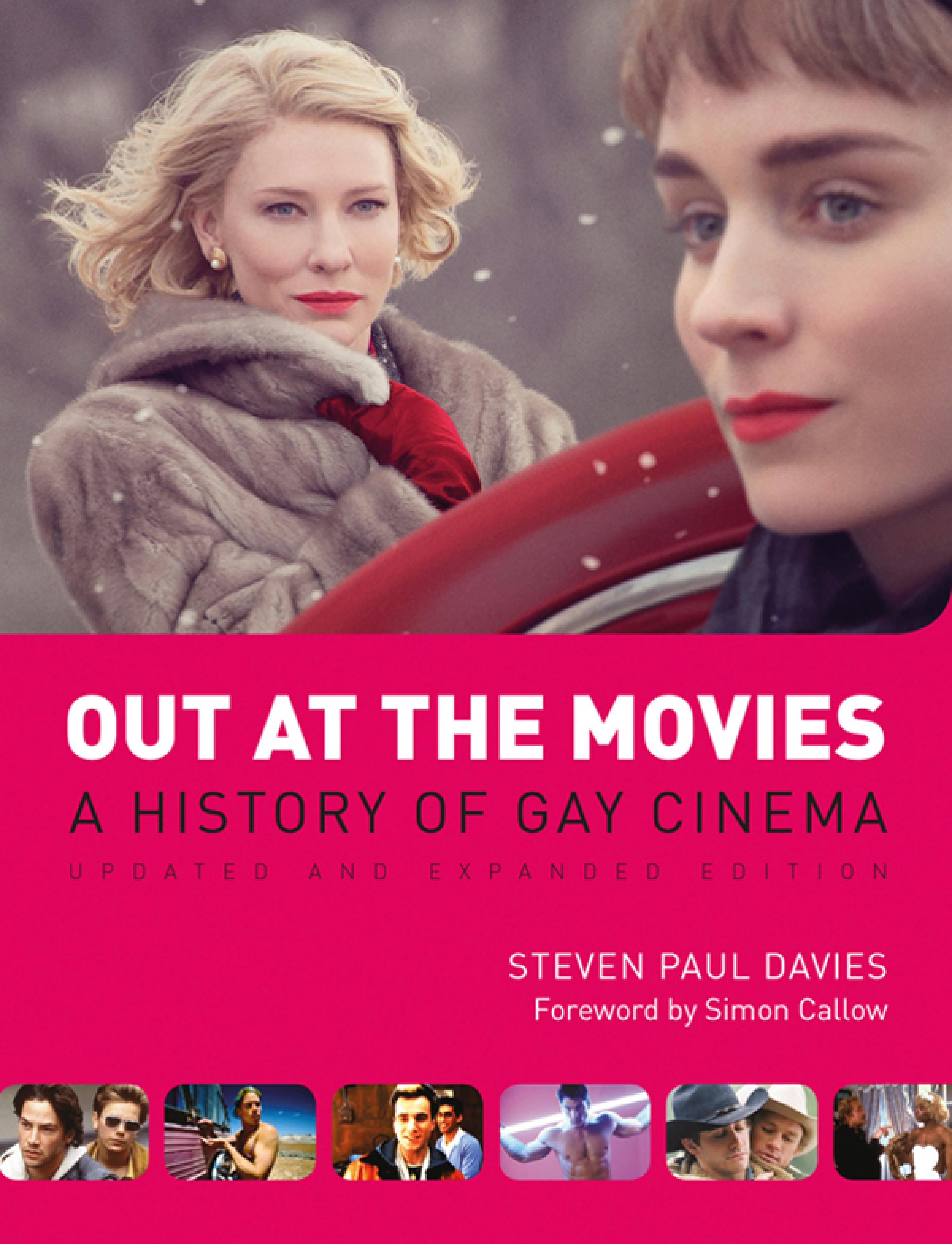
Over the decades, gay cinema has reflected the community's journey from persecution to emancipation to acceptance. Politicised dramas like Victim in the 60s, The Naked Civil Servant in the 70s, and the AIDS cinema of the 80s have given way in recent years to films which celebrate a vast array of gay life-styles. Gay films have undergone a major shift, from the fringe to the mainstream and 2005's Academy Awards were dubbed ''the Gay Oscars'' with gongs going to Brokeback Mountain, Capote and Transamerica. Producers began clamouring to back gay-themed movies, including I Love You Phillip Morris with Jim Carrey and Ewan McGregor, Gus Van Sant's Milk, starring Sean Penn, the feel good British movie Pride and The Imitation Game with Benedict Cumberbatch. And recent additions such as Call Me By Your Name, Moonlight, Love, Simon, Carol and Rocketman have continued to receive wide-spread acclaim. Out at the Movieslooks back, decade by decade, at the history of gay cinema, celebrating films which have defined the genre. Indie films, the avant-garde, sex on screen, bad guys, lesbian lovers, transgender films, camp comedies, musicals and gay rom-coms - all are featured here. As well as highlighting key movements and triumphs in gay cinema, the author includes information on gay filmmakers and actors, and their influence within the industry. Interspersed throughout are some of the most iconic scenes from gay cinema and the most memorable dialogue.
Ta pozycja jest dostępna przez Internet. Rozwiń informację, by zobaczyć szczegóły.
Dostęp do treści elektronicznej wymaga posiadania kodu dostępu, który można odebrać w bibliotece.
E-book
W koszyku
Forma i typ
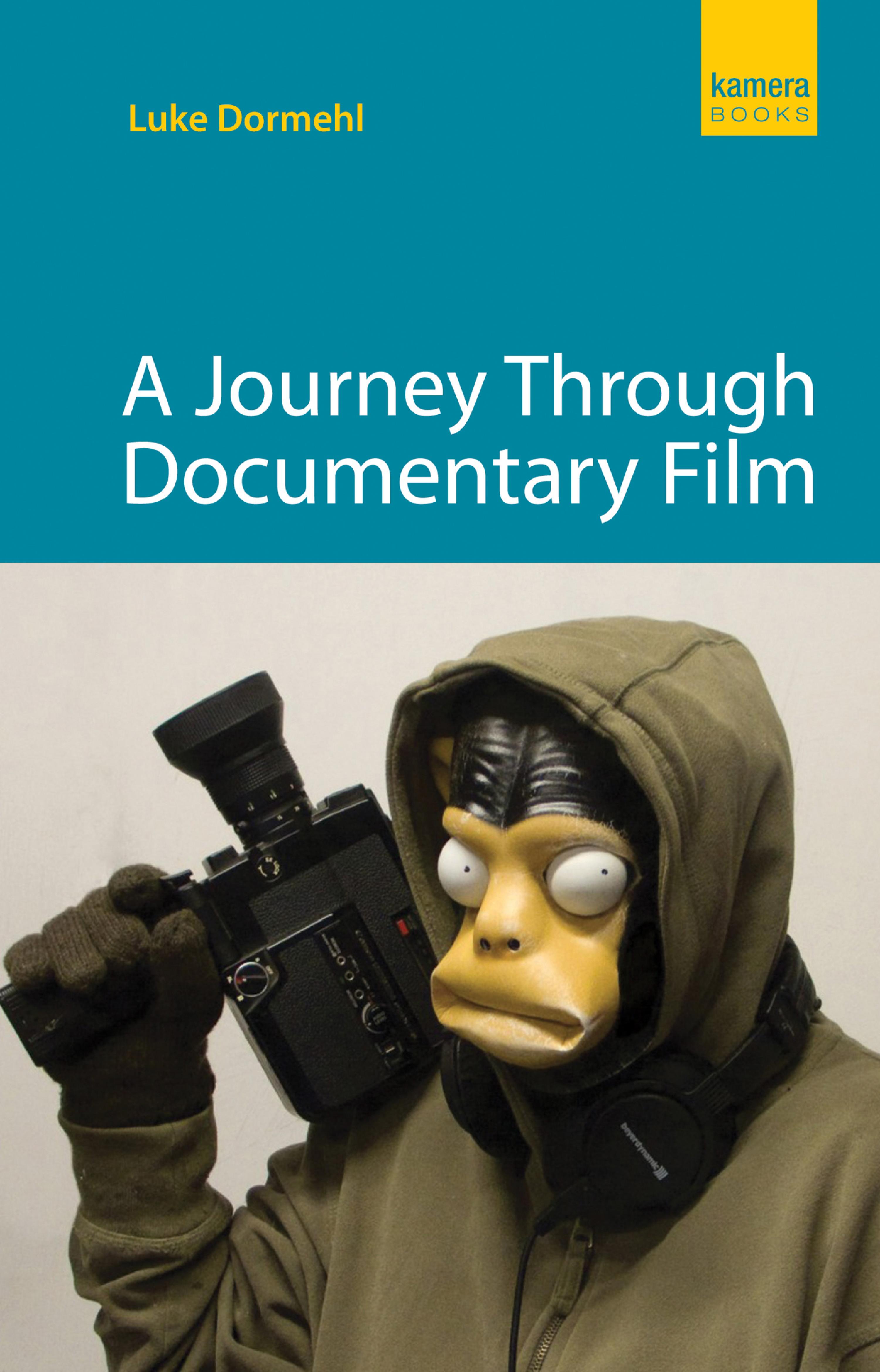
Documentary is one of the most fascinating areas of filmmaking. Documentaries have broken down societal taboos, changed legislation, strengthened and rocked entire governments, freed wrongly-convicted prisoners, and taught us more about the world in which we live. A Journey Through Documentary Film offers an overview of documentary history, taking readers from the early 'actualities' of pioneering non-fiction filmmakers such as Robert J. Flaherty and John Grierson, to the documentaries of Michael Moore, Errol Morris, Werner Herzog, and the directors dominating the field (and box office) today. An essential resource for film students, documentary buffs, filmmakers and anyone interested in non-fiction film, it looks in-depth at over 60 documentaries from around the world, covering a century of cinema, to illustrate what 'documentary' means, and the changes and transitions that have occurred in non-fiction filmmaking over the years. Covering films such as Nanook of the North, Night Mail, Night and Fog, The Sorrow and the Pity, F for Fake, The Thin Blue Line, Hoop Dreams, Fahrenheit 9/11, Grizzly Man, Man on Wire and Exit Through the Gift Shop, amongst many others, each analysis includes an introductory synopsis, as well as detailed notes on the film's production history, filmmaker, unique innovations, construction, and key themes and issues.
Ta pozycja jest dostępna przez Internet. Rozwiń informację, by zobaczyć szczegóły.
Dostęp do treści elektronicznej wymaga posiadania kodu dostępu, który można odebrać w bibliotece.
E-book
W koszyku
Dario Argento / James Gracey. - [miejsce nieznane] : Kamera Books : Legimi, 2010.
Forma i typ
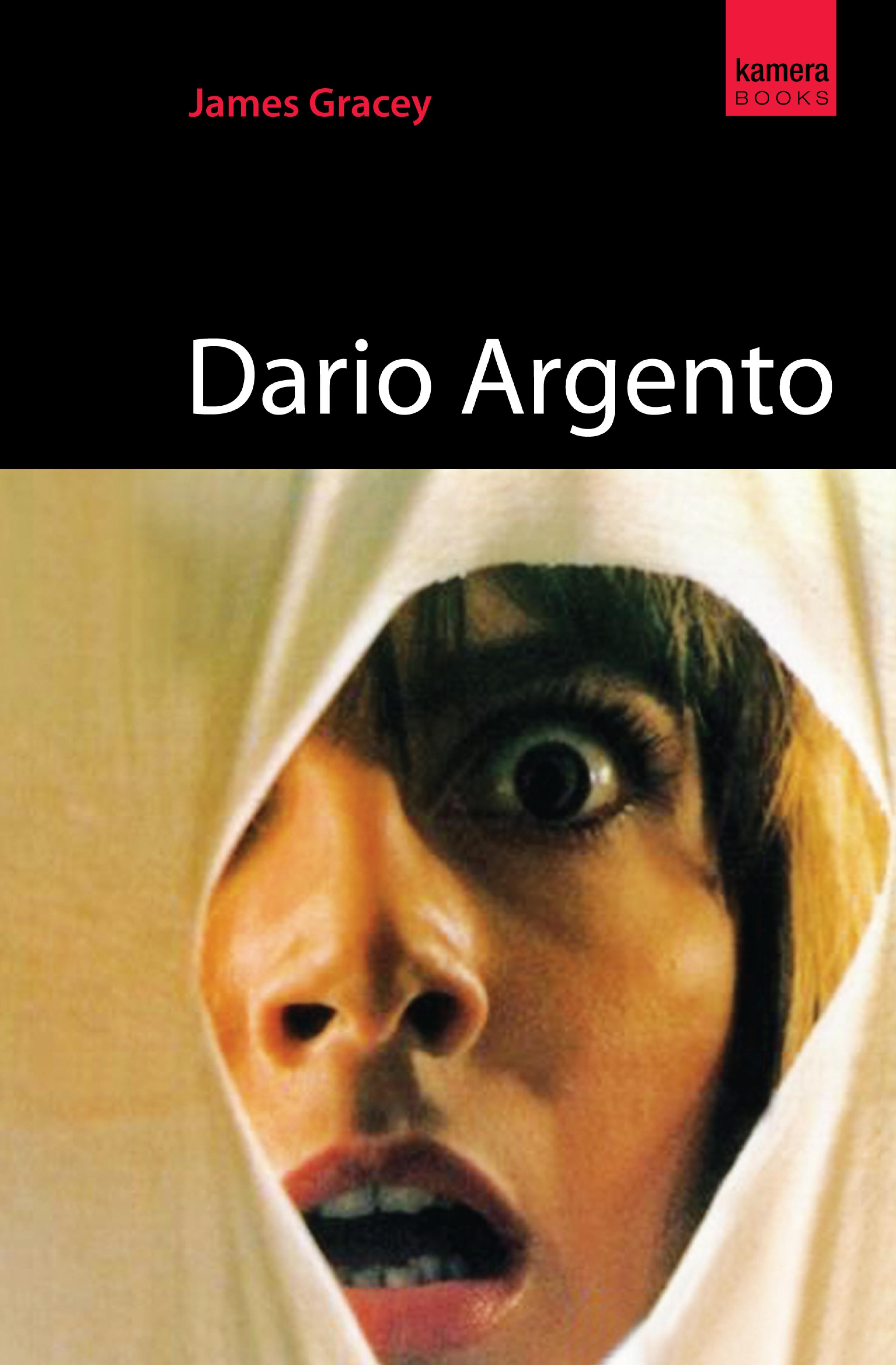
The stylistic and bloody excesses of the films of Dario Argento are instantly recognisable. Vivid, baroque and nightmarish, his films lock violent deaths in a twisted embrace with an almost sexual beauty. Narrative and logic are often lost in a constant bombardment of atmosphere, technical mastery and provocative imagery. It's a body of work which deals explicitly with death and violence, all the while revelling in perversely alluring stylistics and shot through with an unflinching intensity. Setting the tone with earlier gialli films such as The Animal Trilogy and Deep Red, Argento has steadily pushed the boundaries; through his elaborately gothic fairytales Suspiria and Inferno, right up to his more recent contributions to TV's Masters of Horror compendium and the conclusion of his Three Mothers trilogy, Mother of Tears: The Third Mother. Along the way, his prowling camera work, pounding scores and stylistic bloodshed have only gained in intensity and opulence. This Kamera Book examines his entire output. Hailed as one of horror cinemas most significant pioneers and the twentieth century's major masters of the macabre, Argento continues to create inimitable and feverishly violent films with a level of artistry rarely seen in horror films. His high profile and mastery of the genre is confirmed with his role as producer on celebrated classics such as George A. Romero's Dawn of the Dead and Lamberto Bava's Demons. His work has influenced the likes of Quentin Tarantino, John Carpenter and Martin Scorsese, to name but a few.
Ta pozycja jest dostępna przez Internet. Rozwiń informację, by zobaczyć szczegóły.
Dostęp do treści elektronicznej wymaga posiadania kodu dostępu, który można odebrać w bibliotece.
E-book
W koszyku
Forma i typ
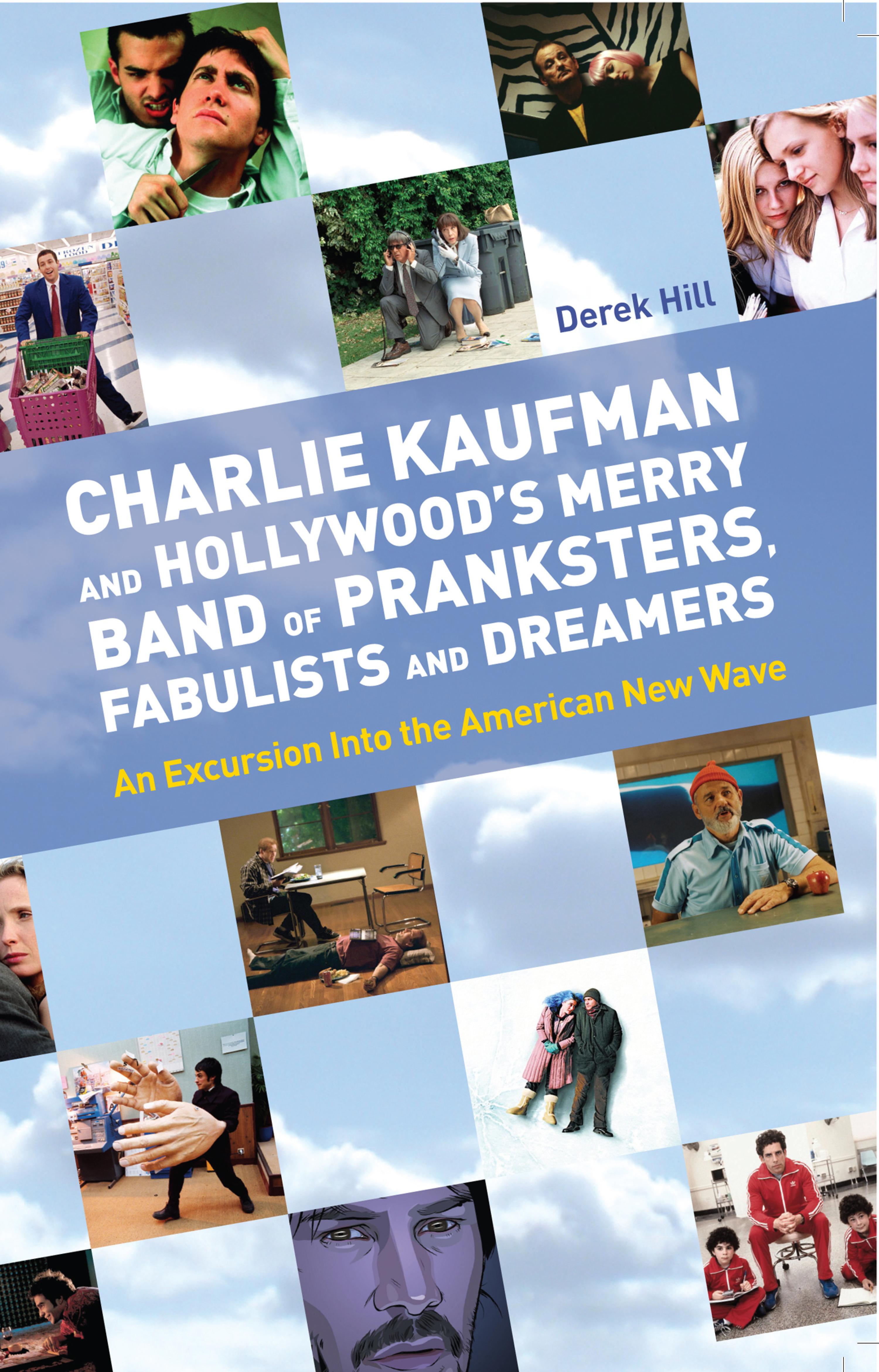
Since the late 1990s, a subtle, subversive element has been at work within the staid confines of the Hollywood dream factory. Young filmmakers like Spike Jonze, Wes Anderson, Michel Gondry, David O. Russell, Richard Linklater, and Sofia Coppola rode in on the coattails of the independent film movement that blossomed in the early 1990s and have managed to wage an aesthetic campaign against imaginative cowardice of all persuasions, much like their artistic forebears - the so-called Movie Brats Coppola, Scorsese, De Palma, Altman, and Ashby among others - did in the 1970s. But their true pedigree can be traced back to the cinematic provocateurs of the Nouvelle Vague (Truffaut, Goddard, Chabrol, Rohmer, Rivette, et al), who in the late 1950s and throughout the 1960s liberated screens around the world with a series of films that challenged our assumptions of what the medium could offer and how stories could be told - all of them snapping with style as much as they delivered on ideas. Highly idiosyncratic yet intricately realised, accessible yet willing to overthrow the constraints of formal storytelling, surreal yet always grounded in human emotions, this new breed of American film captures the angst of its characters and the times in which we live, but with a wryness, imagination, earnestness, irony and stylish wit that makes the slide into existential despair a little more amusing than it should be. This book analyzes and traces the origins of the pivotal films and directors in this undeclared war on the mundane.
Ta pozycja jest dostępna przez Internet. Rozwiń informację, by zobaczyć szczegóły.
Dostęp do treści elektronicznej wymaga posiadania kodu dostępu, który można odebrać w bibliotece.
E-book
W koszyku
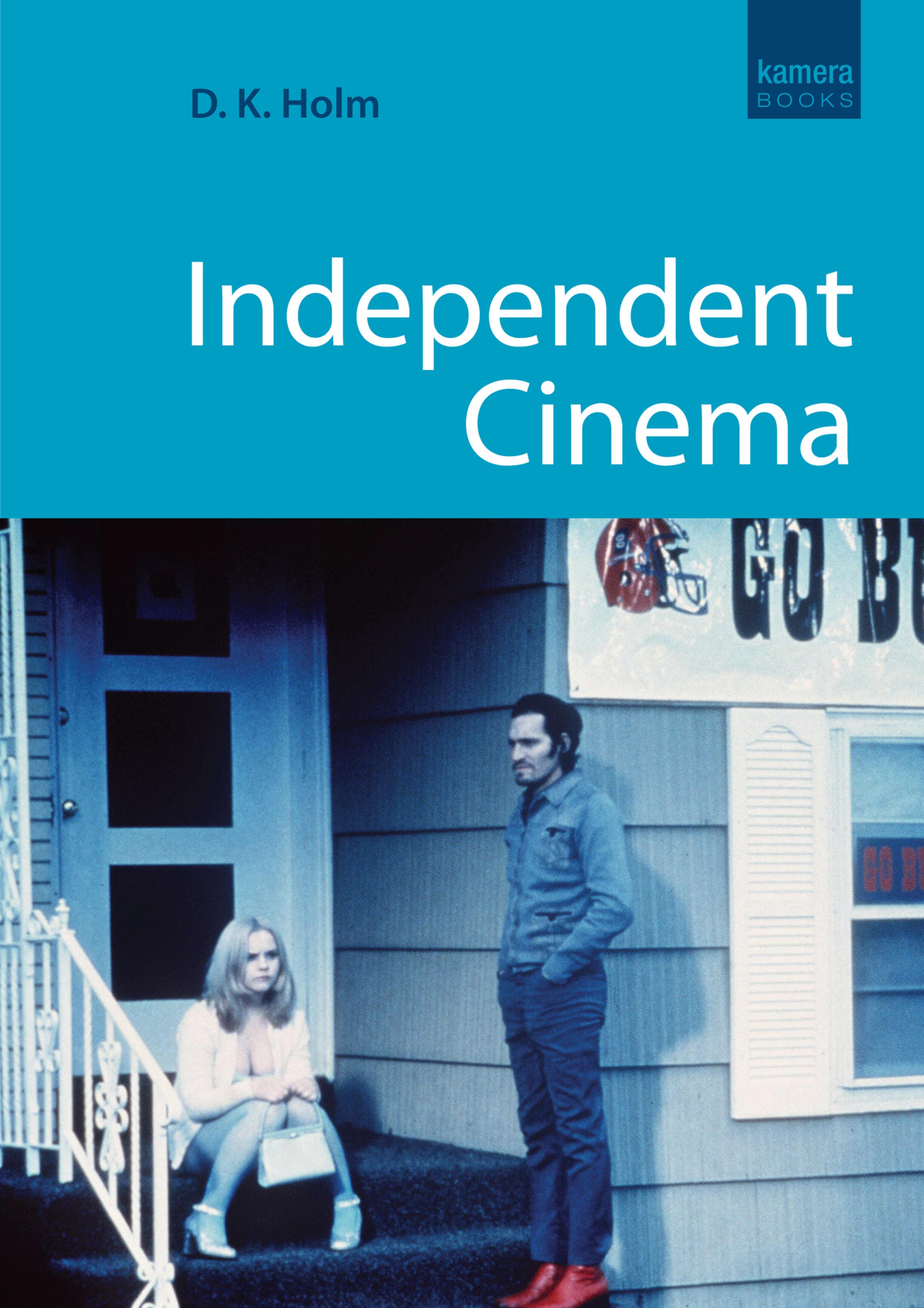
Independent Cinema / D K Holm. - [miejsce nieznane] : Kamera Books : Legimi, 2010.
Forma i typ
Just what is 'independent' cinema? D. K. Holm aims to define a term all too carelessly used both by media commentators and marketers, and distinguish it from categories such as avant-garde, underground, experimental or 'art' films, with which it is often confused. By contrasting studio-era Hollywood with changes in the business since the 1970s, and the rise of companies such as Miramax and New Line, it shows the birth of a commercial environment in which the new independent cinema can emerge. Profiles of specific filmmakers suggest how diverse personalities use independent cinema for individual ends; directors such as James Mangold, who found indie cinema to be a stepping stone to more mainstream movies, Jill Sprecher, who uses its flexibility to explore philosophical ideas, and Guy Maddin, one of the few true independent filmmakers, whose films are beholden to his own unique vision rather than financiers or abstract audience markets.
Ta pozycja jest dostępna przez Internet. Rozwiń informację, by zobaczyć szczegóły.
Dostęp do treści elektronicznej wymaga posiadania kodu dostępu, który można odebrać w bibliotece.
E-book
W koszyku
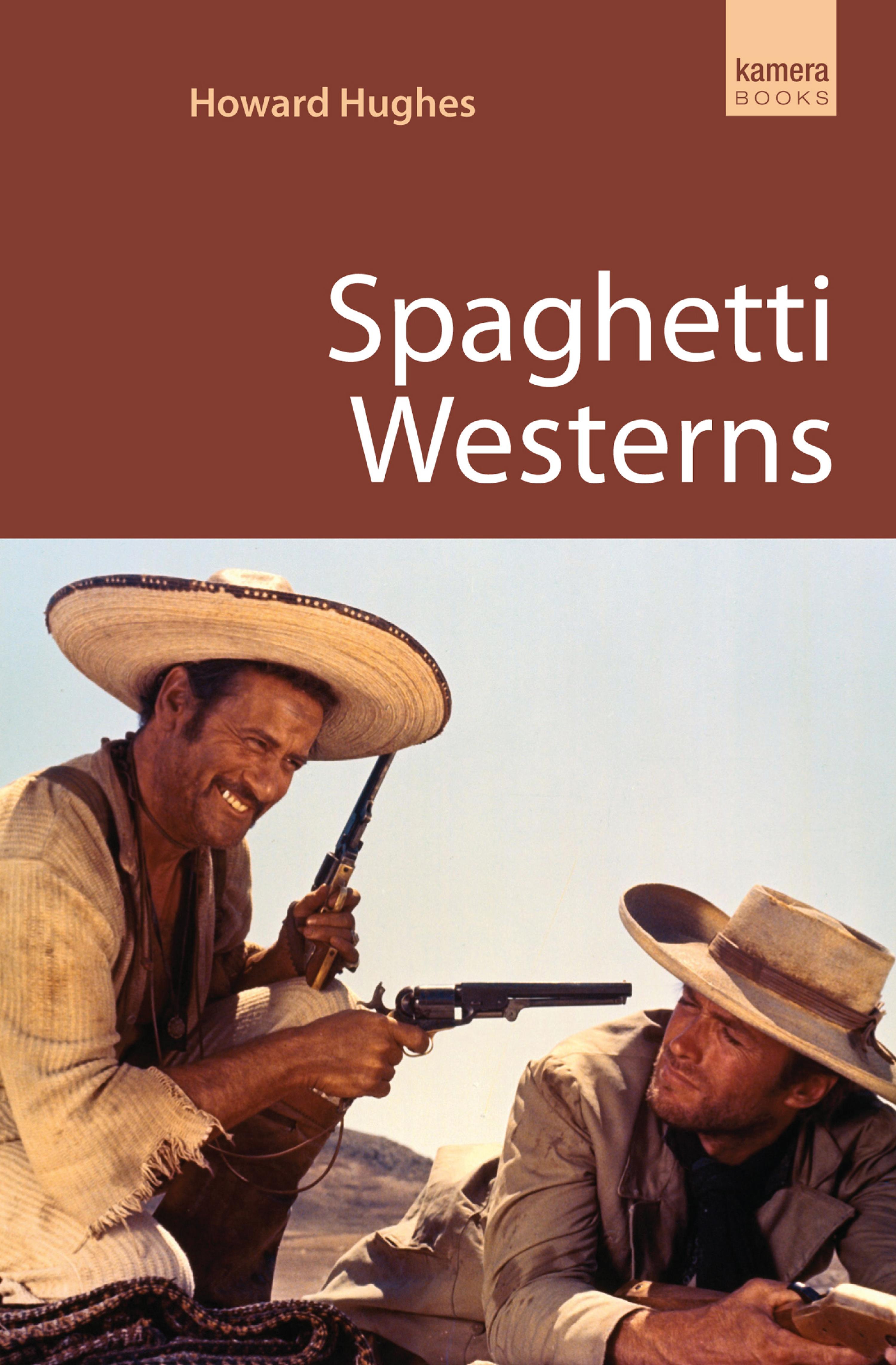
Once upon a time in the west, Clint Eastwood earned himself a fistful of dollars - and instant stardom - when his 'Man With No Name' rode into town. In the mid-sixties Eastwood's Dollars trilogy with director Sergio Leone - A Fistful of Dollars, For a Few Dollars More and The Good, the Bad and the Ugly - gunned down all opposition at the world box office and created a visceral new brand of anti-Western, dubbed 'Spaghetti Westerns' by critics bemused by the films' popularity. Spaghetti Westerns' cynical morality tales of revenge, betrayal and mercenary avarice were filmed in the desert badlands of Almeria, Southern Spain. Eastwood's immortal 'Man With No Name' is the enduring symbol of the genre, but Leone and Eastwood weren't the first, nor the most prolific filmmakers to make Spaghetti Westerns, and this Kamera Guide reviews the best of a wild bunch, including cult classics Django, The Big Gundown, They Call Me Trinity and Navajo Joe. Spaghetti Westerns analyses the genre, from the most famous offerings - Once Upon a Time in the West and the Dollars trilogy - to offbeat fare, such as Cemetery Without Crosses and Django Kill. It charts the Spaghetti Western careers of Lee Van Cleef, Terence Hill and Klaus Kinski as they rode to international stardom. Maestro Ennio Morricone's groundbreaking Western scores are also appraised. In addition to an introduction to the genre, 34 of the best Spaghetti Westerns are analysed in detail, illustrated with rare colour posters and stills. There is also a multi-media reference section, listing essential books, websites, DVD releases and soundtracks.
Ta pozycja jest dostępna przez Internet. Rozwiń informację, by zobaczyć szczegóły.
Dostęp do treści elektronicznej wymaga posiadania kodu dostępu, który można odebrać w bibliotece.
E-book
W koszyku
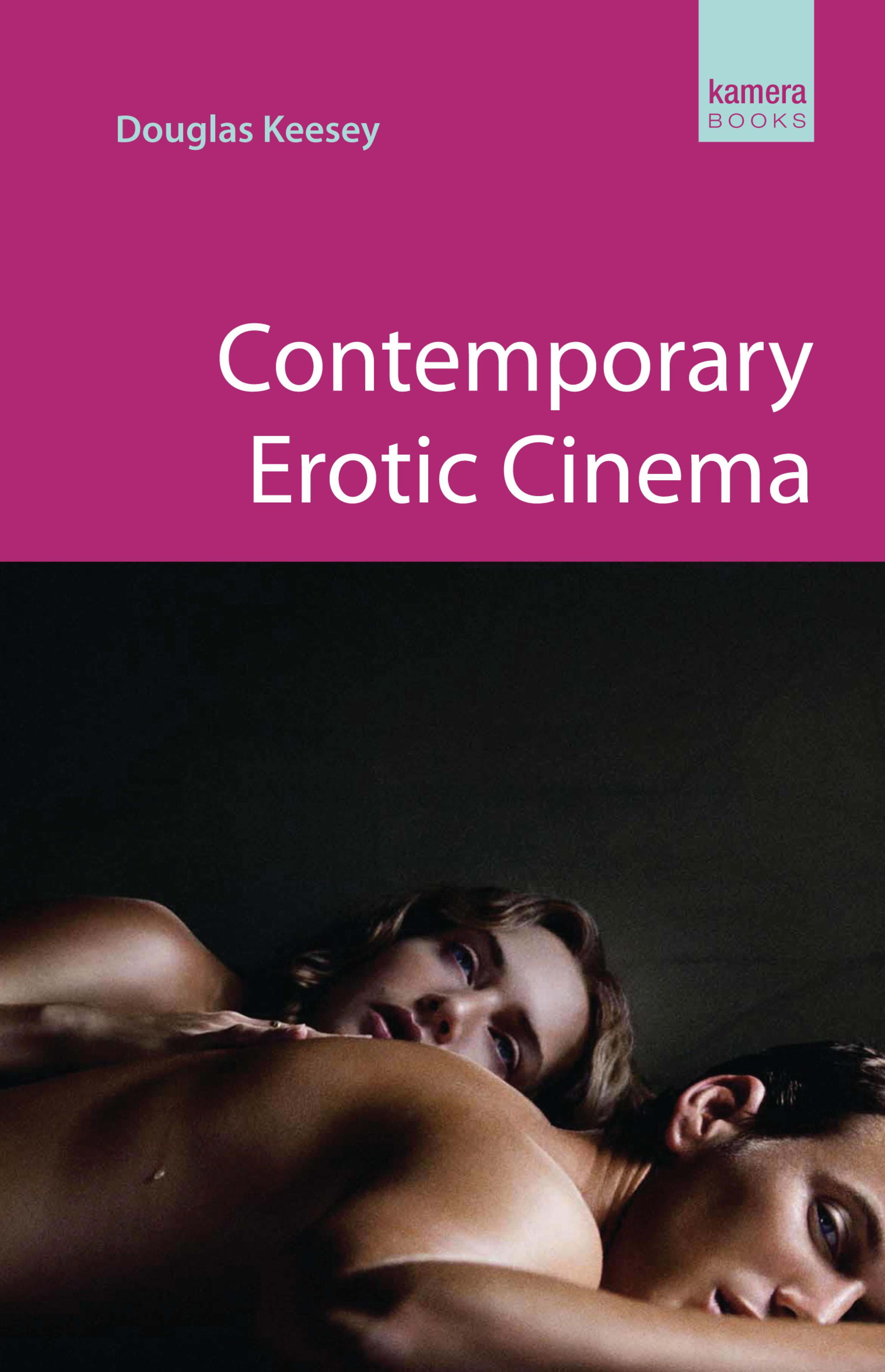
Movies have constantly pushed at the boundaries of sexual representation, outraging censors, transgressing taboos and opening up formerly forbidden realms of sensual pleasure. Whether through an exploration of our dreamiest fantasies or our darkest desires, films have expanded our repertoire of erotic images and challenged who we are as sexual beings. The first book to look at truly contemporary erotic cinema, this publication gives in-depth analyses of sex scenes from over 100 films, more than half of them released in the 21st century. Beginning with an overview of how depictions of sex on screen have changed over the last 40 years, with particular attention to censorship controversies, the book is divided into three main parts - erotic genres, themes and acts - and covers sex comedies, body horror, alien sex and erotic animation; gay, lesbian, bisexual and trans films, movies about youth, marriage and infidelity, films dealing with incest, blasphemy and death; on-screen nudity and voyeurism, masturbation, oral and anal sex, the ménage à trois and the orgy, and bestiality, rape and sadomasochism. The films discussed include 9 Songs, American Pie, Bad Education, Black Swan, Brokeback Mountain, Intimacy, Last Tango in Paris, The Reader, The Wayward Cloud, Y Tu Mamá También and many more.
Ta pozycja jest dostępna przez Internet. Rozwiń informację, by zobaczyć szczegóły.
Dostęp do treści elektronicznej wymaga posiadania kodu dostępu, który można odebrać w bibliotece.
E-book
W koszyku
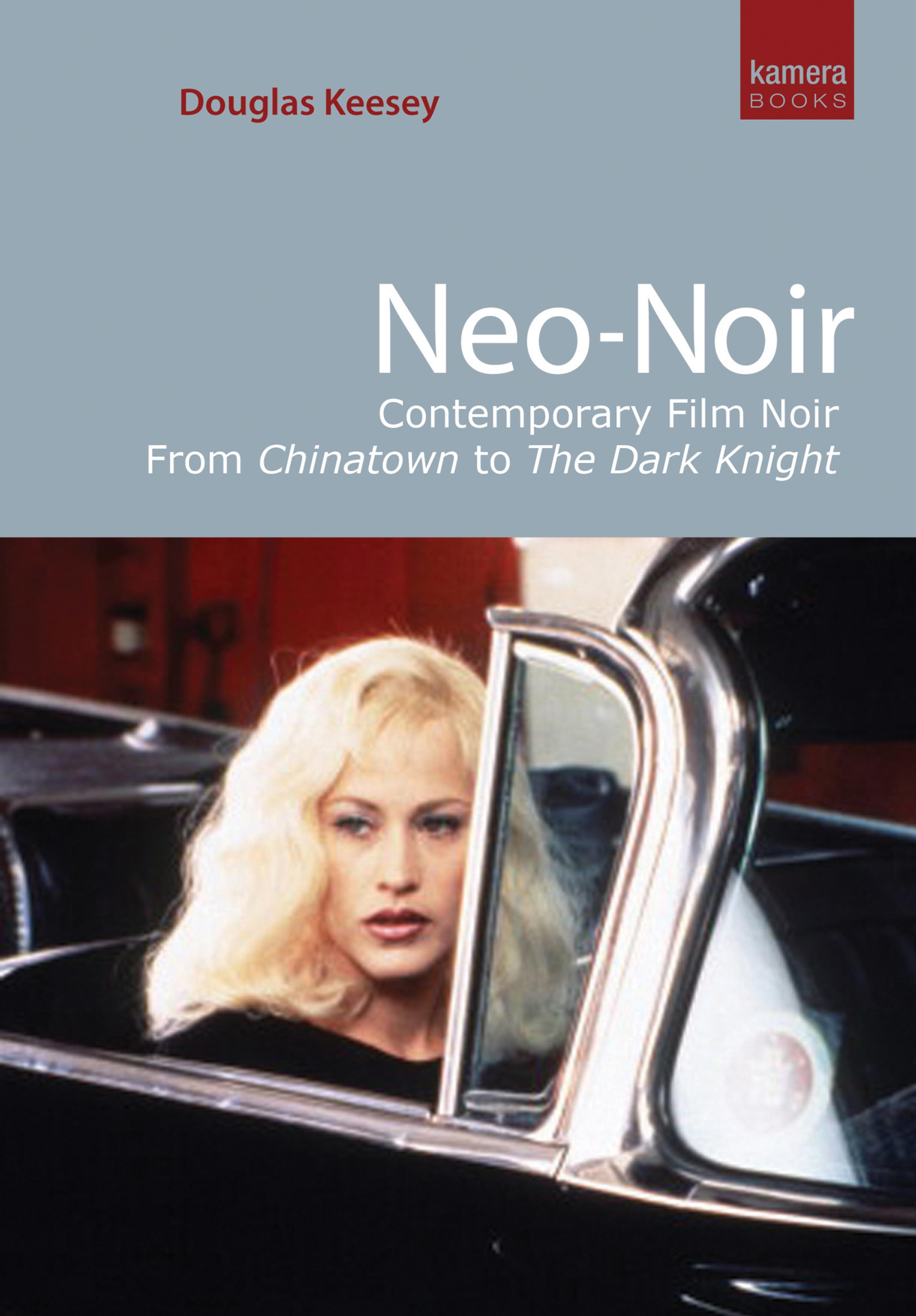
Neo-Noir / Douglas Keesey. - [miejsce nieznane] : Kamera Books : Legimi, 2010.
A world-weary detective, a seductive femme fatale, a mysterious murder - these elements of classic film noir live again in more recent hardboiled detective films from Chinatown to Sin City. But the themes and styles of noir have also spilled over into contemporary films about gangsters, cops and serial killers (Reservoir Dogs, The Departed, Se7en). New hybrid genres have been created, including psycho-noirs (Memento), techno-noirs (The Matrix) and superhero noirs (The Dark Knight). Beginning with an introduction that shows how neo-noir has drawn upon contemporary social and historical events as well as the latest technological advances in filmmaking, this book discusses the neo-noir films that have made the biggest splash in the field ('landmarks'), the directors who have become cult figures of neo-noir, ('auteurs'), films from non-English speaking countries ('international') and neo-noirs that put a new spin on past noirs ('remakes'). The main credits and a plot summary are given for each neo-noir, followed by an in-depth analysis containing original insights into the meaning of the film. 'Factoids' also present fascinating facts, behind-the-scenes anecdotes and lively quotes from the cast and crew.
Ta pozycja jest dostępna przez Internet. Rozwiń informację, by zobaczyć szczegóły.
Dostęp do treści elektronicznej wymaga posiadania kodu dostępu, który można odebrać w bibliotece.
E-book
W koszyku
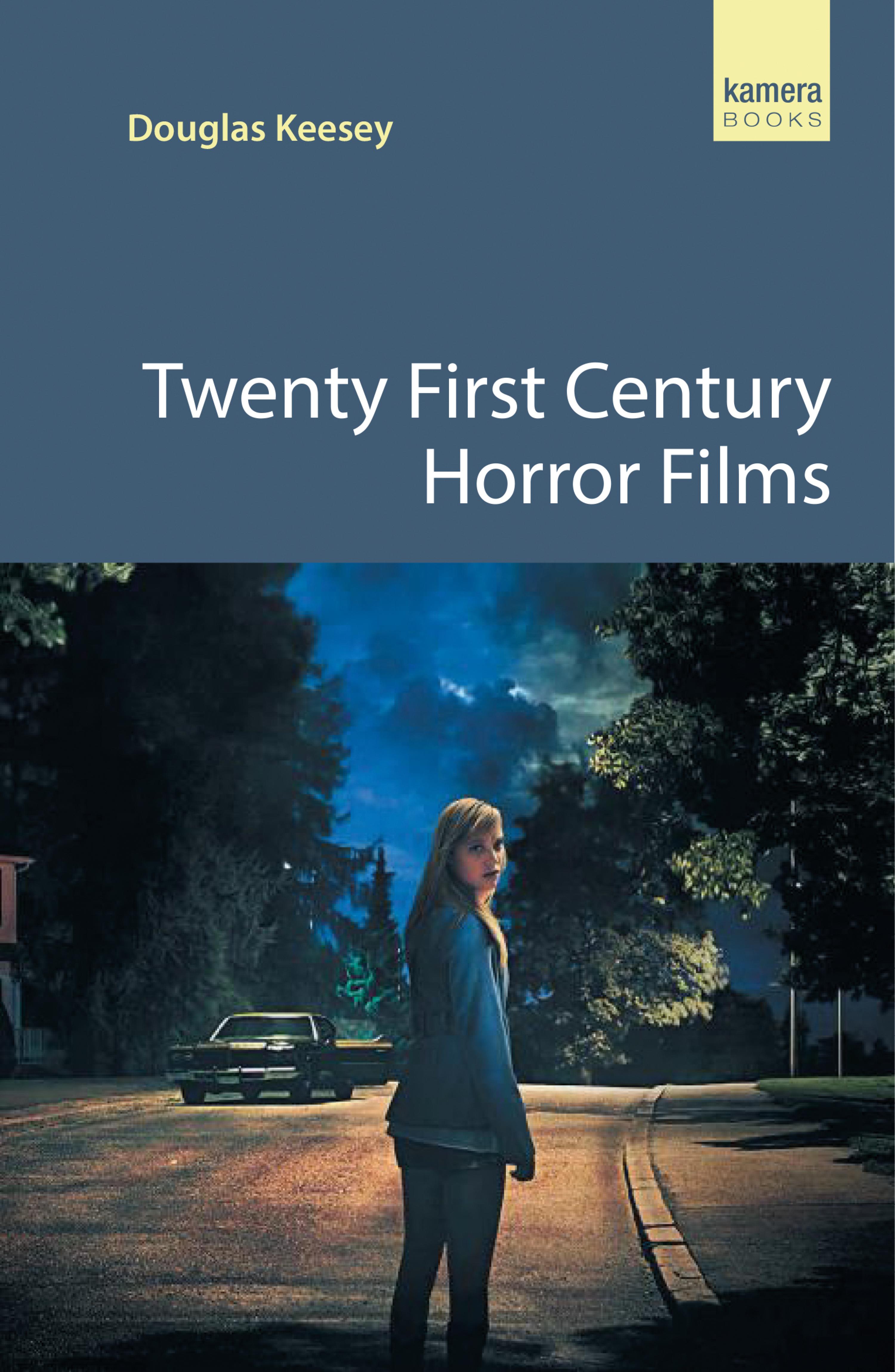
From the vengeful ghosts of J-horror to the walking dead in 28 DaysLater and World War Z, from the creepiness of Spain's haunted houses to the graphic gore of the New French Extremism, horror is everywhere in the twenty-first century. This lively and illuminating book explores over 100 contemporary horror films, providing insightful and provocative readings of what they mean while including numerous quotes from their creators. Some of these films, including The Babadook, The Green Inferno, It Follows, The Neon Demon, Pride and Prejudice and Zombies and The Witch are so recent that this will be one of the first times they are discussed in book form. The book is divided into three main sections: 'nightmares', 'nations' and 'innovations'. 'Nightmares' looks at new manifestations of traditional fears, including creepy dolls, haunted houses and demonic possession as well as vampires, werewolves, witches and zombies; and also considers more contemporary anxieties such as dread of home invasion and homophobia. 'Nations' explores fright films from around the world, including Australia, Canada, Czechoslovakia, France, Germany, India, Japan, Norway, Russia, Serbia, Spain and Sweden as well as the UK and the US. 'Innovations' focuses on the latest trends in terror from 3D to found-footage films, from Twilight teen romance to torture porn, and from body horror and eco-horror to techno-horror. Parodies, remakes and American adaptations of Asian horror are also discussed.
Ta pozycja jest dostępna przez Internet. Rozwiń informację, by zobaczyć szczegóły.
Dostęp do treści elektronicznej wymaga posiadania kodu dostępu, który można odebrać w bibliotece.
E-book
W koszyku
Forma i typ
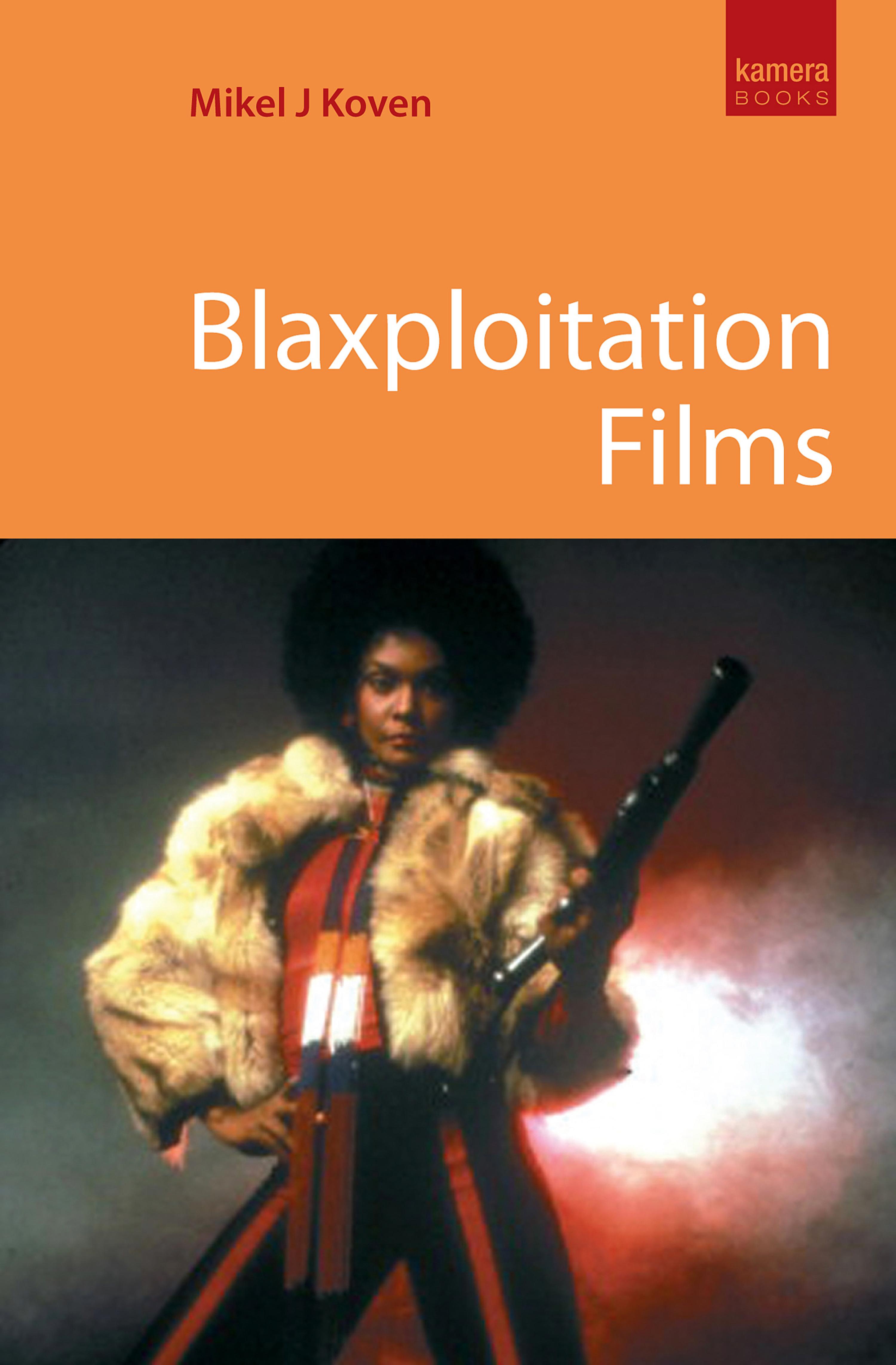
What is Blaxploitation? In the early 1970s a type of film emerged that featured all-black casts, really cool soul, R 'n' B and disco music soundtracks, characters sporting big guns, big dashikis, and even bigger 'fros, and had some of the meanest, baddest attitudes to shoot their way across our screens. More than that, for African-American audiences these films were an antidote to the sanitised 'safe' images of blackness that Sidney Poitier and Bill Cosby presented to America. These films depicted a reality about the world which African-American audiences could identify with, even if the stories themselves were pure fantasy. Blaxploitation Films considers Blaxploitation from the perspective of class and racial rebellion, genre - and Stickin' it to the Man, with over 60 Blaxploitation films reviewed and discussed. Sections include Blaxploitation horror films, kung-fu movies, Westerns and parodies and it is fully up to date, including Baadassss and The Hebrew Hammer and covers the deaths of Isaac Hayes and Rudy Rae Moore.
Ta pozycja jest dostępna przez Internet. Rozwiń informację, by zobaczyć szczegóły.
Dostęp do treści elektronicznej wymaga posiadania kodu dostępu, który można odebrać w bibliotece.
E-book
W koszyku
Forma i typ
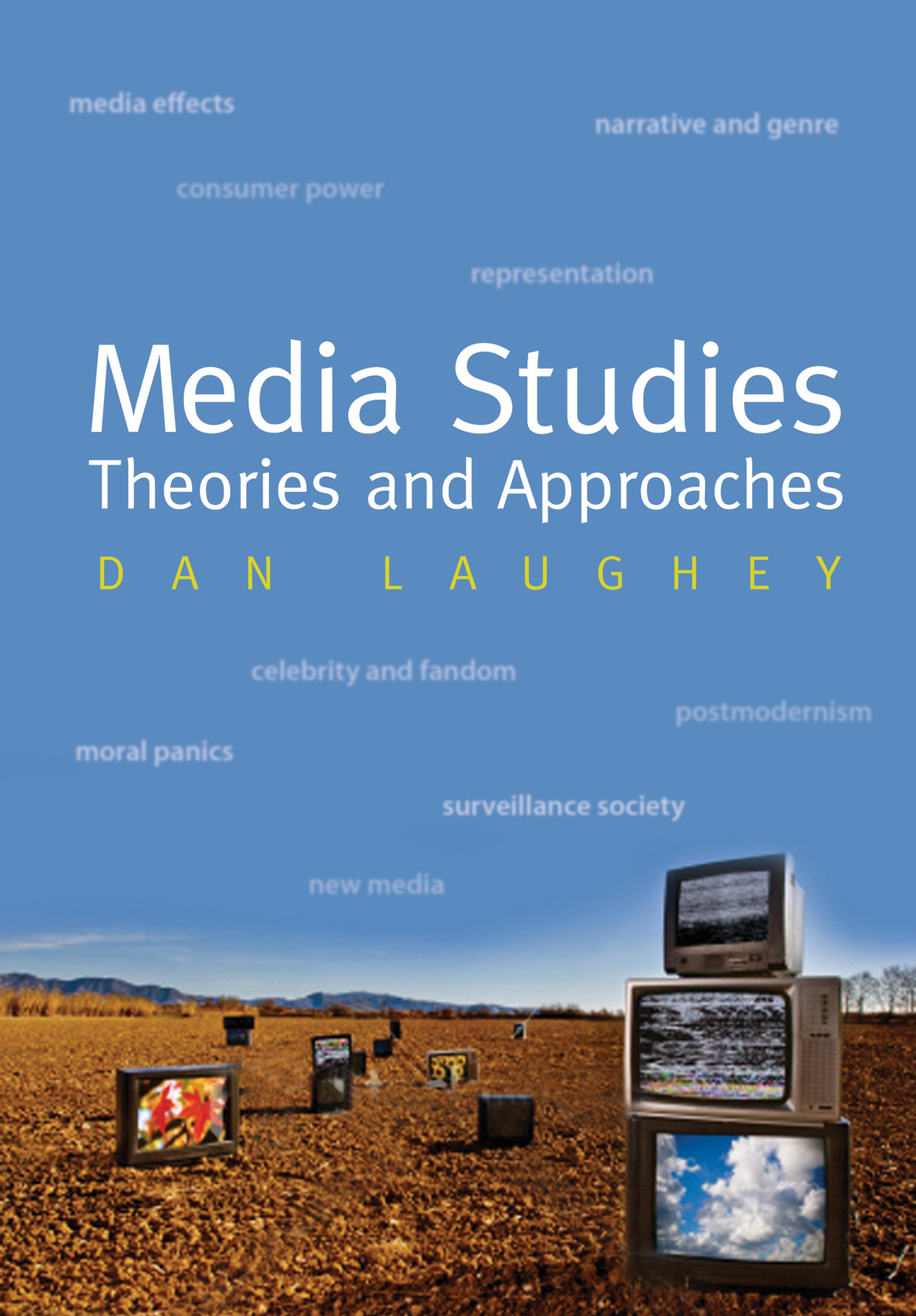
You've got TV, internet, phone, radio, movies, music, magazines and newspapers - and that's just the tip of the iceberg. Unless we live on a desert island, there is no escape from media communications of one sort or another. So how do we begin to understand today's all-embracing media culture? In this book, all the key issues and debates in media studies are covered in a lively and accessible style. You will learn about the main features of global media corporations, and approaches to the study of media effects, consumer power, celebrity, journalism and new media. From surveillance to simulation, genre to gender, political economy to the postmodern, the reader will be guided through a matrix of intellectual endeavour on all media matters. Whether you are a student, researcher, practitioner or just someone with a general interest, Media Studies will serve as a handy reference guide on your journey through this complex but fascinating subject.
Ta pozycja jest dostępna przez Internet. Rozwiń informację, by zobaczyć szczegóły.
Dostęp do treści elektronicznej wymaga posiadania kodu dostępu, który można odebrać w bibliotece.
Pozycja została dodana do koszyka. Jeśli nie wiesz, do czego służy koszyk, kliknij tutaj, aby poznać szczegóły.
Nie pokazuj tego więcej